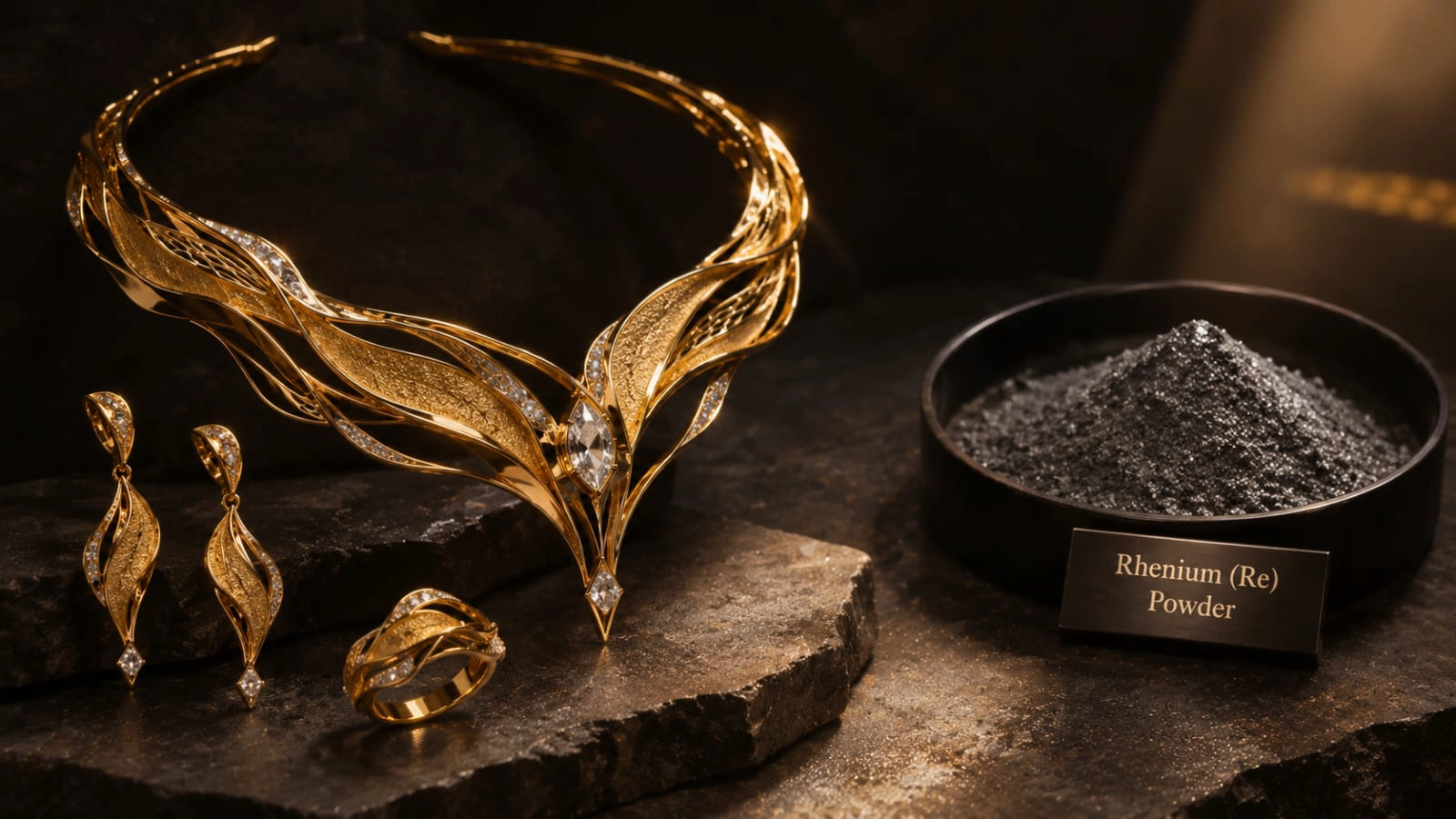
Gold jewellery that receives a purity certification may not always contain the quantity of gold buyers expect. A recent investigation by Dainik Bhaskar in Rajasthan has brought attention to a concerning adulteration technique involving rhenium, a dense industrial metal that can be blended with gold to increase its overall weight while escaping detection through conventional testing methods.
Quick Summary
- A Dainik Bhaskar investigation in Rajasthan has exposed a suspected gold adulteration technique involving rhenium powder.
- Investigators reportedly mixed 1 gram of rhenium with 7.830 grams of 24-carat gold to increase the overall weight.
- The resulting jewellery reportedly passed multiple purity checks and received a 22-carat hallmark.
- Testing equipment reportedly failed to identify rhenium in the ornament.
- The finished jewellery was calculated to contain approximately 81.7% actual gold, equivalent to roughly 20-carat purity.
- The investigation estimated a potential buyer loss of around ₹14,700 per tola, assuming a gold price of ₹1.5 lakh.
- A suspected supply chain was traced to an agent in Shenzhen, China, although the claims require independent verification.
- Similar adulteration concerns involving ruthenium, iridium and osmium have previously been reported in Indore’s Sarafa market.
- The findings highlight the need for stronger gold-testing procedures and improved consumer protection.
Gold Jewellery Can Pass Hallmark Tests Despite Adulteration: The Rhenium Controversy Explained
Gold jewellery that receives a purity certification may not always contain the quantity of gold buyers expect. A recent investigation by Dainik Bhaskar in Rajasthan has brought attention to a concerning adulteration technique involving rhenium, a dense industrial metal that can be blended with gold to increase its overall weight while escaping detection through conventional testing methods.
The findings have raised important questions about the effectiveness of existing gold-testing equipment and hallmarking procedures. In the reported experiment, jewellery containing rhenium allegedly passed multiple purity assessments and was even certified with a 22-carat hallmark, despite having a considerably lower actual gold content.
How Investigators Exposed the Rhenium Adulteration Technique
An experiment involving gold and rhenium in Jodhpur
To understand how this method works, the Dainik Bhaskar investigation team collaborated with a jeweller in Jodhpur and conducted an experiment using rhenium powder and pure gold.
The process began with 7.830 grams of 24-carat gold, to which investigators added 1 gram of rhenium powder. This increased the combined weight to 8.830 grams without adding any additional gold content.
The mixture was subsequently converted into a traditional Rajasthani ornament. During the jewellery-making process, another 0.75 grams of alloying metal was introduced, bringing the finished ornament’s total weight to 9.580 grams.
The next step was to determine whether conventional testing facilities could identify the adulteration.
Multiple Testing Centres Reportedly Failed to Identify the Adulterant
Purity assessments produced misleading results
The finished ornament was presented to different testing centres and jewellery showrooms across Jodhpur. According to the investigation, the results raised serious concerns.
A hallmarking centre reportedly certified the ornament with a 92K916 mark, indicating 22-carat gold.
At a jewellery showroom on New Road, a testing machine reportedly displayed the following composition:
- Gold: 93.70%
- Silver: 5.39%
- Copper: 0.90%
Notably, the machine did not identify the presence of rhenium. Another branded jewellery showroom also reportedly assessed the ornament as 22-carat gold.
However, calculations based on the original gold quantity revealed a significant difference between the certified purity and the actual gold content. The finished ornament contained approximately 81.7% actual gold, corresponding to roughly 20-carat purity rather than the declared 22 carats.
How Much Could Buyers Lose Through Gold Adulteration?
The potential financial impact on gold jewellery purchases
The financial implications of this practice could be substantial, particularly because jewellery purchases are calculated using the declared purity and total weight of the ornament.
According to Dainik Bhaskar’s estimate, buyers could face a loss of approximately ₹14,700 per tola, equivalent to around 11.66 grams, assuming a gold price of ₹1.5 lakh.
The underlying concern is straightforward: customers may pay for jewellery represented as 22-carat gold, even though a portion of its weight comes from a different metal. This creates a financial disadvantage for buyers who rely on purity declarations and hallmark certifications when making purchasing decisions.
Tracing the Suspected Rhenium Powder Supply Chain to China
Investigation points towards a possible international network
The investigation also attempted to establish where the adulterating material originated.
According to Dainik Bhaskar, the team contacted an agent in Shenzhen, China, who allegedly claimed that his company manufactured rhenium powder specifically for mixing with gold.
The agent reportedly stated that the material could be incorporated into gold without being detected through conventional testing techniques. He also claimed to have dealers operating across multiple Indian cities.
To examine these claims further, the investigation team arranged for a 1-gram sample through an agent based in Mumbai. The reported purchase cost was ₹5,000, with an additional ₹300 paid towards courier charges.
Although these findings point towards a suspected international supply network, the claims regarding the material’s manufacturing and distribution require independent verification.
Why Rhenium Can Make Gold Adulteration Difficult to Detect
Understanding the density difference between rhenium and gold
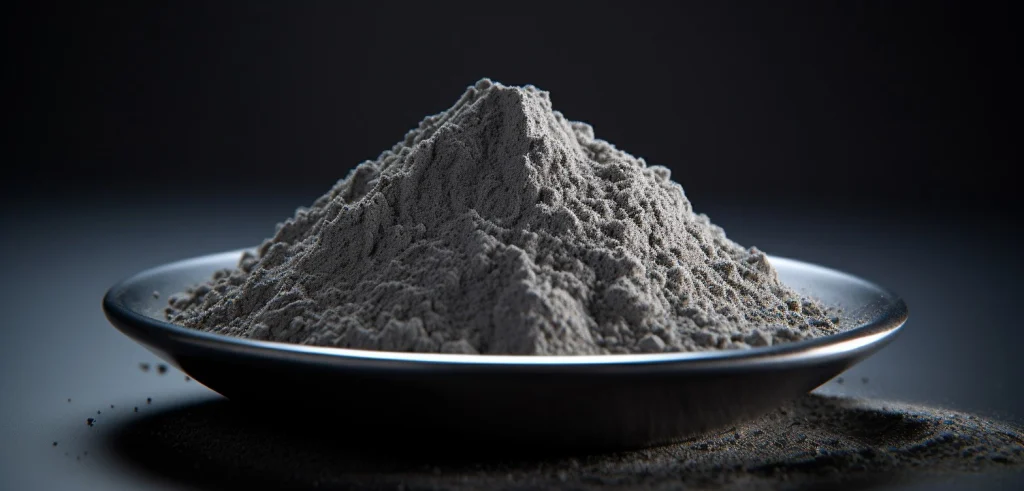
Rhenium is a rare metallic element primarily associated with specialised industrial applications. One of its important physical characteristics is its exceptionally high density.
With a density of approximately 21 grams per cubic centimetre, rhenium is heavier than pure gold, which has a density of around 19.3 grams per cubic centimetre.
This difference makes the metal particularly concerning in the context of gold adulteration. When mixed with gold, rhenium can increase the overall weight without creating a proportionate increase in the actual gold content. Its density also makes it difficult to identify certain adulteration methods through conventional testing approaches.
Limitations of Conventional Gold Purity Testing
Why traditional testing methods may not be sufficient
Different gold-testing techniques examine different characteristics of a metal sample. However, not all methods can reliably identify foreign metals incorporated into an ornament.
Acid Testing
Acid tests examine how a metal responds to specific chemical solutions. While useful for preliminary purity assessments, these tests may not reveal the presence of heavier metals mixed into gold.
Touchstone Testing
This traditional method involves examining a metal sample through its reaction and streak on a testing stone. Since the assessment primarily concerns the material exposed at the surface, adulteration within the jewellery may remain undetected.
X-Ray Fluorescence (XRF) Testing
XRF machines identify metallic elements by analysing the sample’s X-ray fluorescence response. However, the accuracy of the results depends on the equipment’s capabilities, calibration, testing conditions and analytical approach. Surface-based analysis may not always provide a complete picture of the metal composition throughout an ornament.
Can Advanced Testing Identify Rhenium?
The role of specialised analytical techniques
More detailed analytical techniques may help detect foreign elements that routine testing overlooks.
Advanced XRF analysis and electron microscopy can provide additional information about the composition and distribution of different metals within a sample. Destructive testing methods, including fire assay, can also offer a more dependable assessment of the actual gold content.
These techniques highlight the importance of choosing appropriate testing procedures rather than relying exclusively on a single conventional purity assessment.
Gold Adulteration Concerns Extend Beyond Rajasthan
Similar complaints emerge from other jewellery markets
The Jodhpur investigation is not an isolated development. Concerns about the use of high-density metals to increase the weight of gold jewellery have also emerged from other parts of India.
An earlier report by Mint highlighted complaints from jewellery artisans operating in Indore’s Sarafa market. Traders reportedly raised concerns about suspected adulteration involving metals such as ruthenium, iridium and osmium.
These elements are denser than gold and can potentially increase the weight of jewellery while creating challenges for conventional acid and touchstone testing.
The material has reportedly been referred to as ‘gold powder’ in certain trading circles. There are suspicions that it enters Indian markets through Maharashtra and West Bengal, with possible manufacturing links to China. However, its precise origin and supply chain have not been independently established.
What the Rhenium Controversy Means for India’s Gold Jewellery Industry
The need to strengthen consumer protection and testing standards
The reported findings raise concerns that extend beyond individual transactions. Gold purity certification and hallmarking play an essential role in maintaining consumer confidence, protecting buyers and supporting transparency across the jewellery trade.
If jewellery containing foreign metals can pass routine assessments without proper identification, the effectiveness of existing testing practices deserves closer examination.
For jewellers, testing laboratories, hallmarking centres and industry regulators, the issue highlights the need to evaluate testing protocols, strengthen analytical capabilities and improve awareness of emerging adulteration techniques.
For consumers, it reinforces the importance of purchasing gold jewellery from reliable retailers and understanding that a hallmark alone cannot eliminate every possible risk associated with sophisticated adulteration methods.
Ultimately, maintaining trust in the gold jewellery market requires more than certifying purity. It requires testing systems capable of accurately identifying what an ornament actually contains.
FAQs
What is rhenium adulteration in gold jewellery?
Rhenium adulteration involves mixing rhenium, a dense industrial metal, with gold to increase the overall weight of jewellery without proportionately increasing its actual gold content.
Can gold jewellery containing rhenium pass hallmark tests?
According to the Dainik Bhaskar investigation, the experimentally prepared ornament reportedly passed multiple testing assessments and received a 22-carat hallmark despite containing less actual gold than declared.
How much actual gold was present in the tested ornament?
The finished ornament reportedly contained approximately 81.7% actual gold, corresponding to roughly 20-carat purity.
Why is rhenium used to adulterate gold?
Rhenium has a density of approximately 21 grams per cubic centimetre, higher than gold’s density of around 19.3 grams per cubic centimetre. It can therefore increase the weight of a gold mixture without adding gold.
Can XRF machines detect rhenium in gold?
XRF machines can identify metallic elements, but their detection capabilities depend on equipment specifications, calibration and testing methods. Conventional surface-based analysis may not always identify every adulterant.
Which metals have been associated with suspected gold adulteration?
Apart from rhenium, earlier reports have highlighted suspected adulteration involving ruthenium, iridium and osmium.
How can buyers protect themselves against gold adulteration?
Consumers should purchase jewellery from reputable retailers, ask for proper purity documentation and seek appropriate testing when concerns arise. Advanced analytical techniques and destructive testing may provide a more reliable assessment of actual gold content.
What does the rhenium investigation mean for India’s jewellery industry?
The findings raise questions about conventional gold-testing methods and hallmarking reliability, highlighting the need for stronger testing protocols, better detection capabilities and greater transparency across the jewellery industry.
Source: SVAR Media Network
About SVAR Media Network – India’s Best Source for Jewellery News, Magazines, Newsletters and Media
SVAR Media Network is India’s No. 1 Destination for Jewellery News, setting the gold standard in timely, trusted, & trend-driven coverage across the Gems & Jewellery industry. As the Most Followed Jewellery Magazine & Media House in India, SVAR delivers Daily Jewellery News India Updates, market insights, & global developments through its platforms like Jewellery Magazine, Newsletters, AI Powered News Bulletins, Website, Social Media, Podcasts, & much more.
Recognized as Asia’s one of the Best Media in Jewellery & one of the World’s Best Jewellery Media, SVAR Media Network sets Unparalleled Standards in the Gems & Jewellery industry. SVAR is the Most Trusted & Widely Read Voice in the Gems & Jewellery Community.
Renowned as India’s Best Jewellery Magazine & Leading Jewellery Media, SVAR blends legacy with cutting-edge innovation by delivering:
- Best in class Jewellery Magazine for the Gems & Jewellery Industry & Jewellery Enthusiasts
- Real-time AI-Powered Jewellery News via SVARA AI, the World’s First AI Anchor in Fashion, Gems & Jewellery Industry
- India’s One of the First Gems & Jewellery Podcasts
- Digital Jewellery Newsletters for professionals and enthusiasts
- ISO 9001:2015 Certification, the first in the jewellery-media sector, proving our commitment to excellence
- Asia’s First & World’s Second Meta Verified Jewellery Media Brand

Ranked #1 among the Top 5 Gems & Jewellery News Websites, Top 10 Jewellery Magazines in India, & Most Influential Jewellery Media Brands, SVAR Media Network is your Trusted Source for Accurate, Fast, & Future-Focused Jewellery News.
SVAR Media Network is India’s No 1 Digital Media in Jewellery Industry & continues to be the Leading Jewellery Magazine & a Global Leader in Jewellery Media. SVAR Media Network offers a diverse range of services, including: Monthly Magazines, Digital Newsletters, Al-Driven News Bulletins, Social Media Promotions, Website Blogs & Articles, WhatsApp Updates, Podcasts & more…
Whether you seek updates on New Launches, Trade Shows, Celebrity Campaigns, Trends or Market Movements, SVAR is the Authority in Jewellery News India & beyond.
Explore the World of Gems & Jewellery with SVAR Media Network — Your Best Source for Trusted, Trend-Setting Jewellery News & Media, Updates, Podcasts & more…