
Minimalism vs. Maximalism in Jewellery: Love is in the Details
In the world of jewellery, there are two powerful, polarising styles that range from minimalist to maximalist. Both have deep and disparate histories; unique aesthetics, different emotional appeals. Jewellery, if you favour the delicate gold chain or the multi-layered gemstone necklace, says a lot about you – without you even realising
As far as jewellery goes, some shoppers are asking the question: Should I buy into minimalism or maximalism? So let’s look at the differences between the two, where they come from and how you can find the side that best reflects your personality.
What Is Minimalist Jewellery?
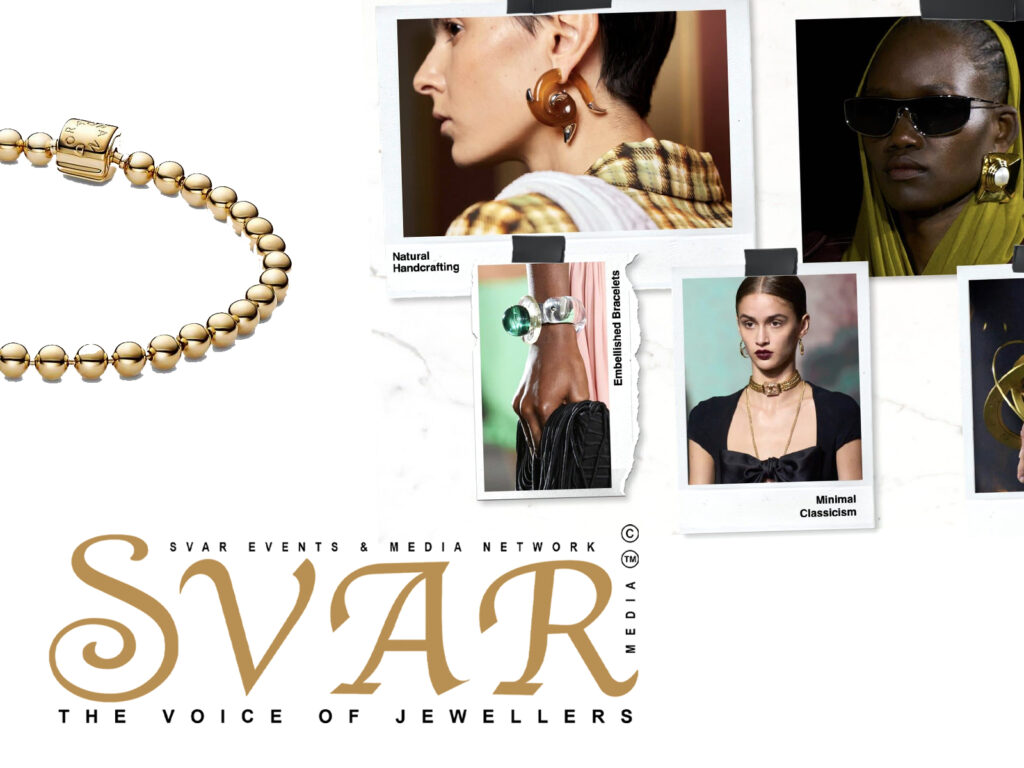
Minimalist jewellery is all about a sleek silhouette, simplicity, and understatement.
- Aesthetic: Consider dainty rings, fine chains, geometric pendants or tiny stud earrings.
- Philosophy: Influenced by the “less is more” approach in design and fashion.
- Materials: Usually solid gold, sterling silver, platinum, or a single accent diamond or pearl.
- Wearability: Suitable for everyday wear, layering, easy to match with outfits and any occasion.
Jewellery minimalism has been gaining fast momentum in the past decade, particularly among younger consumers who love the idea of timeless, investment pieces that complement a variety of outfits.
What Is Maximalist Jewellery?
Maximalist jewellery is about drama, hues and being loud.
- Aesthetic: Big earrings, fat gemstone rings, statement chokers and stacked bangles.
- Philosophy: Based on a philosophy that more is more, it celebrates extravagance and individuality.
- Materials: Luxe gemstones, enamel, detailed metalwork and varied textures.
- Occasions: Frequently for parties, weddings or bold fashion statements.
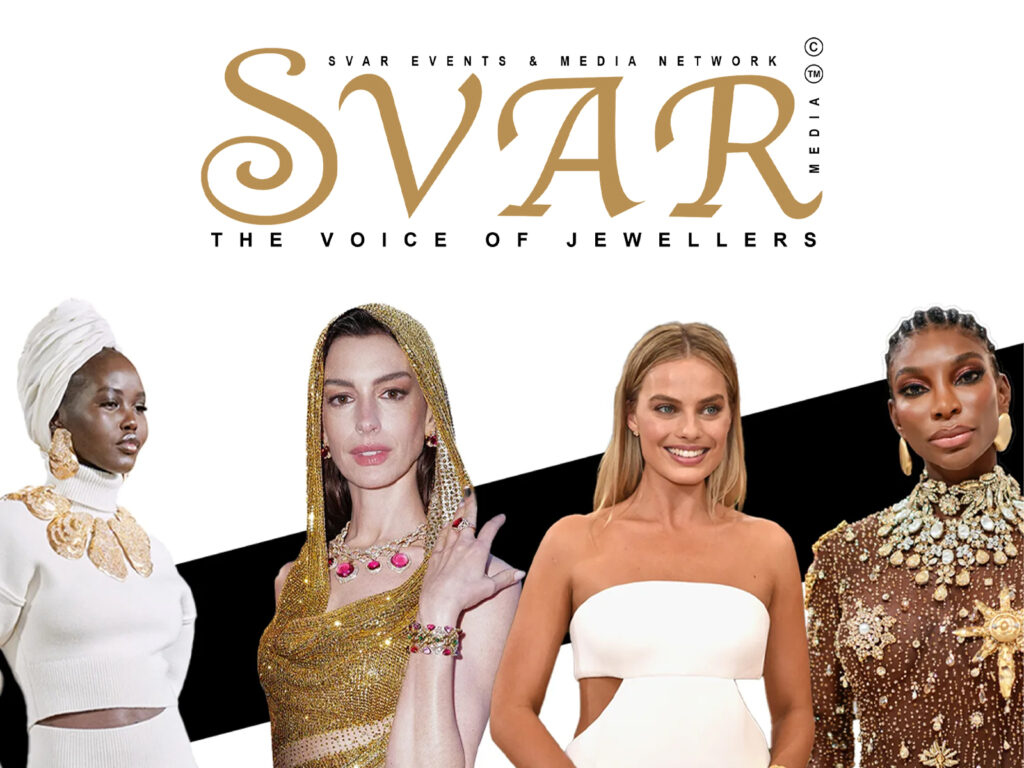
It often channels royal jewels, Art Deco or global cultures and serves as a medium for storytelling as well as self-expression.
A Short History of Each Style
- Minimalism: Rose in the 20th century; inspired by Bauhaus design and Scandinavian simplicity. Jewellery of this tradition was about materials and form without undue ornament.
- Maximalism: Dates back centuries – from Egyptian pharaohs to Indian maharajas and European royalty, with ornate crowns, gemstone-drenched necklaces and ceremonial regalia.
- Today, both styles coexist, appealing to different moods, personalities and settings.
Minimalism vs. Maximalism: A Visual Explainer
| Feature | Minimalism Jewellery | Maximalism Jewellery |
| Design | Clean, subtle, understated | Bold, layered, extravagant |
| Materials | Single metals, a few gemstones | Multiple stones, colours, textures |
| Symbolism | Timeless elegance, versatility | Individuality, self-expression, statement |
| Occasions | Casual, daily use, work, leisure | Weddings, festivals, fashion statements |
| Popularity | Millennials & professionals | Collectors, fashionistas, heritage lovers |
Why Both Are Trending Today
Minimalism is perfect for those who seek sustainability, versatility and discreet luxury.
Maximalism is for wearers who see jewellery as art, heritage and self-expression.
Many embrace both — minimalist jewellery for everyday and maximalist styles for special occasions.
Minimalism Versus Maximalism – What to Wear
- Know Your Lifestyle – For everyday wear, minimalism is practical. For grandeur, maximalism shines.
- Play with Layering – Start with minimal and add maximalist touches when you want impact.
- Mix Both – A delicate chain paired with a bold statement ring creates a modern fusion.
- Show Your Personality – Jewellery is personal; choose pieces that best reflect you.
Sustainability and Ethical Considerations
Minimalist designs often use fewer materials and focus on longevity.
Maximalist pieces can be heavier but may showcase heritage craftsmanship and repurposed gemstones.
Both approaches can be sustainable depending on sourcing and design philosophy.
Final Thoughts
There’s no winner in the Minimalism vs. Maximalism debate—only what feels right for you. Minimalist jewellery embodies elegance in simplicity, while maximalist pieces tell a story through bold statements. The future of jewellery is not about picking sides, but about knowing when to celebrate subtlety and when to revel in grandeur