

Gems Beneath the Ocean: The Story of Coral and Pearl Conservation
The ocean holds treasures far beyond our imagination. Among its most delicate and enchanting gifts are corals and pearls—gems that have adorned humans for centuries. But as the demand for beauty grows, the survival of these marine wonders is under serious threat. This is the story of their conservation and why it matters now more than ever.
What Makes Coral and Pearl So Special?
Corals are not just pretty objects in the sea. They are animals—tiny polyps that build enormous underwater structures called coral reefs. The reefs give home to around 25% of all sea life, even though they cover less than 1% of the sea floor.
Pearls are created by molluscs, mostly oysters, when they are stirred up by something inside their shell. We humans have cherished these natural treasures in jewellery for millennia. But do you know that corals and pearls show the health of the ocean?
Their existence indicates the delicate equilibrium of oceanic life. When that equilibrium is disturbed, the damage extends throughout the sea.
The Threats Facing Coral Reefs and Pearl Oysters
One of the most significant threats to coral reefs is climate change. When sea temperatures increase, coral bleaching is caused, and corals whiten and subsequently die. This stress is further caused by pollution, overfishing, and coastal development.
Pearl oysters are equally vulnerable. Ocean pollution and acidification weaken their ability to form strong, lustrous pearls. Over-harvesting and incautious pearl farming have decimated wild oyster populations.
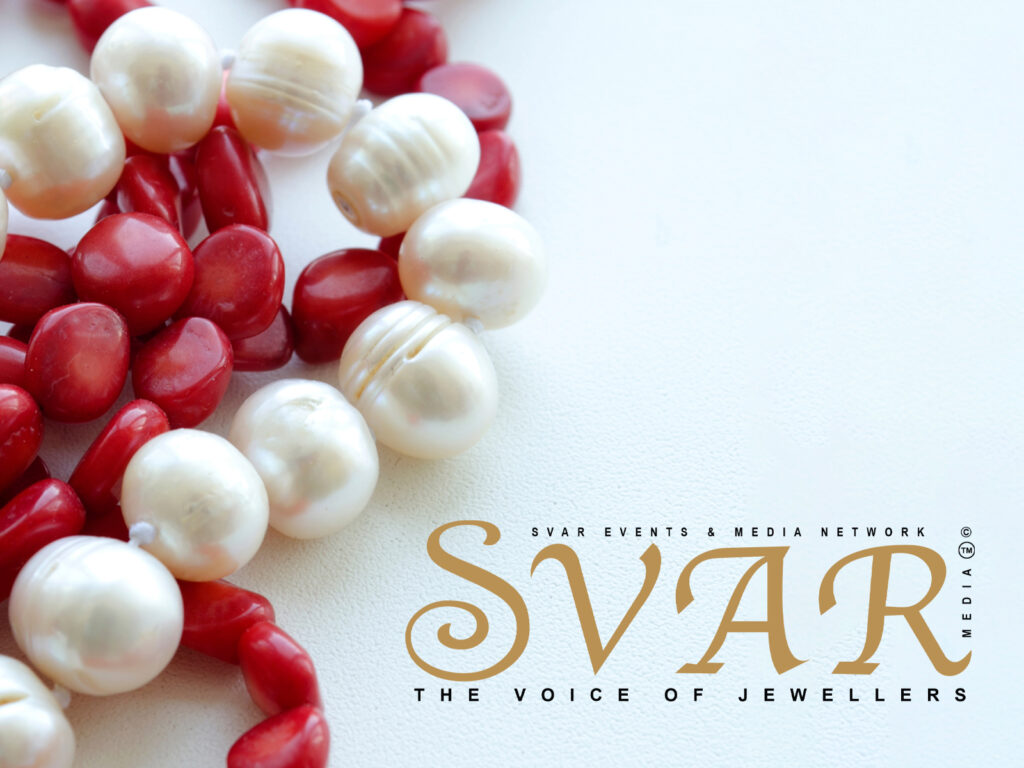
The Rise of Sustainable Coral and Pearl Practices
The good news is that conservation work is on the rise, and with it, environmentally friendly coral and pearl farming practices are catching up. Pearl farms in countries such as Japan, Australia, and the Philippines are now moving towards more eco-friendly practices, supporting biodiversity.
In the same way, coral rehabilitation also includes seeding coral nurseries and artificial reefs. Marine biologists and divers transplant young corals to injured reef areas so that they can develop naturally.
These activities not only protect nature, they also create jobs, boost local economies, and offer long-term solutions to climate issues.
How the Jewellery Industry Is Playing Its Part
The ethical jewellery trend is changing consumer and brand perceptions towards sea gemstones. Jewellers are now more likely to ask where and how their pearls and corals are produced. Certifications, such as those from the Marine Stewardship Council or the Sustainable Pearling Initiative, are facilitating transparency and traceability.
There are some designers who have totally ditched the use of natural coral and opted for lab-grown versions or recycled antique pieces instead. Others, though, work with pearl farms that practice ethical farming and conservation.
By purchasing such practices, customers are becoming part of a global movement committed to the protection of our oceans.

What You Can Do to Support Coral and Pearl Conservation
You don’t need to be a marine biologist to make a difference. Here are a few simple ways you can help:
- Choose ethically sourced pearls and coral-free jewellery
- Support brands that value sustainable and ethical practices
- Educate yourself and others about marine life conservation
- Reduce your plastic use to keep oceans clean
- Donate to coral reef restoration or marine conservation charities
Every action counts—even the smallest change can create a wave of impact.
A Legacy Worth Protecting
Corals and pearls have always been symbols of elegance, wealth, and nature’s artistry. But today, they also represent resilience and hope. As we look towards a more sustainable future, protecting these gems beneath the ocean is no longer a choice—it’s a responsibility.
Whether you’re a jewellery lover, a traveller, or simply someone who cares about the planet, your choices matter. Let’s make sure the ocean continues to shine for generations to come.