

Purchasing gemstones is more than a thing of beauty — it’s all about knowing which gems are appreciating, what drives that appreciation, and making choices that last the test of time. Computer-driven collectors who buy rare gems as both art and assets can build portfolios that shine in more ways than one.
What Are Good Gemstones for Investment?
When you think about “which stones hold long-term value,” several standard factors keep coming up: rarity, durability, provenance, untreated status and collector demand. Stones like Burmese rubies, Kashmir sapphires and fine Colombian emeralds have historically held their value — or appreciated in price, says the International Gem Society.
Durability counts, too — harder stones (Mohs 9) such as sapphires and rubies are more likely to withstand daily wear and thus retain value.
Top Gemstones That Generally Retain Value for the Long Term
Rubies
Untreated rubies from the best sources (especially Burma/Myanmar) are one of the most valuable investment gems. With their vibrant “pigeon’s blood” red hue, rarity and robust provenance, they are an obvious choice for collectors wondering “which stones will hold long-term value”.
Sapphires
Blue (especially Kashmir, Sri Lanka or Ceylon blue) sapphires and rare colours (pink, padparadscha) are also at the top of the list. Their resistance to breakage, established source of origin and collector demand make it clear which stones retain long-term value.
Emeralds
Fine emeralds — and in particular those from Colombia that possess rich green colour and little or no treatment — maintain intrinsic value due to their history and demand. Perhaps not quite as durable as rubies or sapphires, it is still one of the first stones mentioned when researching “what sort of stones hold their value over time”.
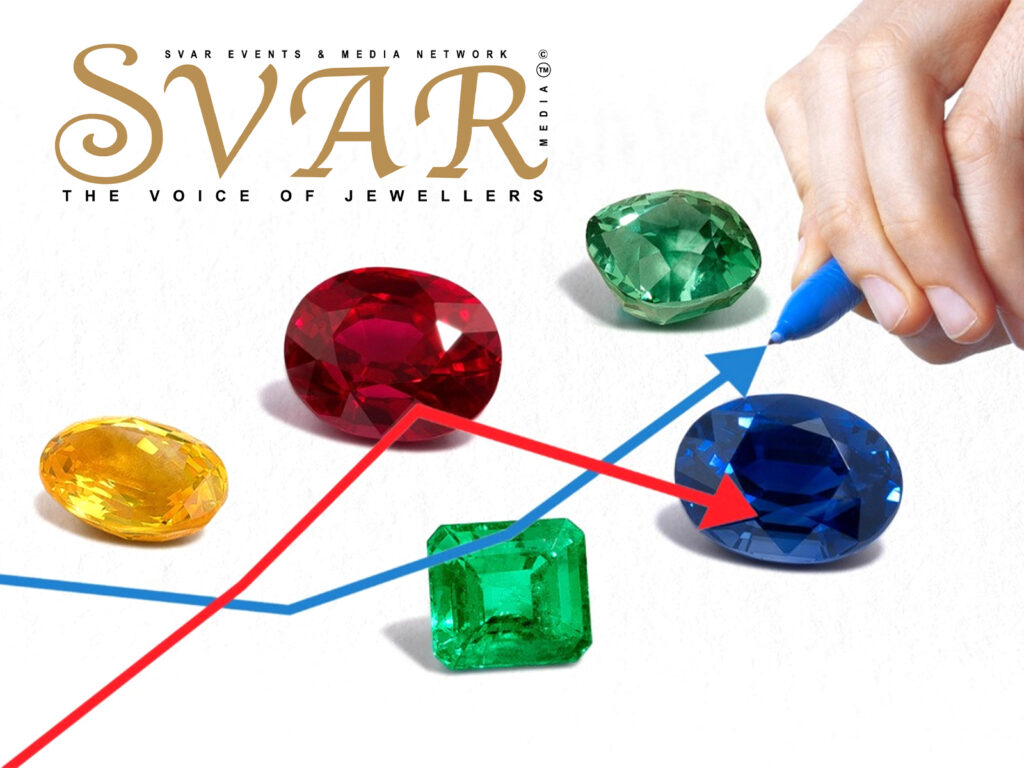
Emerging & Rare Gemstones
Beyond the top three, less frequently used gems such as tanzanite, alexandrite, paraíba tourmaline, and high-quality spinel are becoming better known. Riskier, yes, but they come up often in discussions of which stones are good long-term bets for speculative collectors.
Common Mistakes to Avoid
Purchasing treated or synthesised stones and anticipating substantial profits — treatments lower the value of a stone in resale.
Thinking purely in terms of carat weight and not also about the colour, clarity and provenance, the size does, indeed, matter, but the issue matters more than one might think when asking “which stones hold long-term value.”
Treating gems as quick‐flip investments — many professionals recommend a long-term (5, 10 or more years) horizon for value growth.

Investing in Gemstones Best Practices
Look for certified stones with a traceable chain of custody and origin. Give preference to natural, unheated stones, more so in top origin areas.
Keep wear in mind — stones that you like and will wear may also hold their value more effectively. Diversify among various gem types instead of placing all your budget into one stone.
Look after them with the same precautions you would gold, including record-keeping, safe storage and insurance — its value is not only in the gem, but how well you can prove its quality.
Final Thoughts
If you’re curious about which stones have lasting worth, a consistent answer is: the very few — rubies, fine sapphires and emeralds; plus certain rare gems with fervid collector followings. But investing in gemstones is as much about passion as portfolio. Where beauty, rarity and provenance converge, you don’t just own an asset — you hold a legacy.