

How to Authenticate Vintage Gemstones When You’re in the Market For Antique Jewellery?
To buy vintage gemstones is to buy a piece of history — each stone comes with stories of eras past, craftsmanship not seen today and beauty imbued with eternal time. But history’s allure also magnetises counterfeits and misrepresented stones. When it comes to protecting your investment, knowing how to authenticate vintage gemstones before buying is key. Make sure that what you are purchasing is the real deal, untreated and fairly priced.
Why Authentication Matters
Reproductions are very prevalent on today’s antique and estate jewellery markets. Without rigorous testing, those searching the market for top specimens may end up overpaying for new knock-offs or stones that have been over-processed. Understanding how to authenticate antique gemstones before purchase enables collectors and enthusiasts to make informed choices, preserve history, and invest in long-term value.
Step 1: Verify the Seller or Source
The first step is to make sure that you’re buying from a credible and transparent seller. A good dealer will always provide documentation or a certificate from a recognised institute of gemology and be able to trace the history of ownership or trade of the gemstone. Find a source that’s reliable, since every subsequent step will be built upon trust.
Step 2: Review Documentation and Certificates
Once you’re sure that the seller is a credible one, investigate all the available paperwork that documents the origin of your gemstone, its history, or previous ownership. Most authentic vintage gems come with a certificate from recognised gemological institutes or estate records. Such papers form the backbone of your authentication and point you toward what to inspect next.
Step 3: Check Cutting Style & Craftsmanship
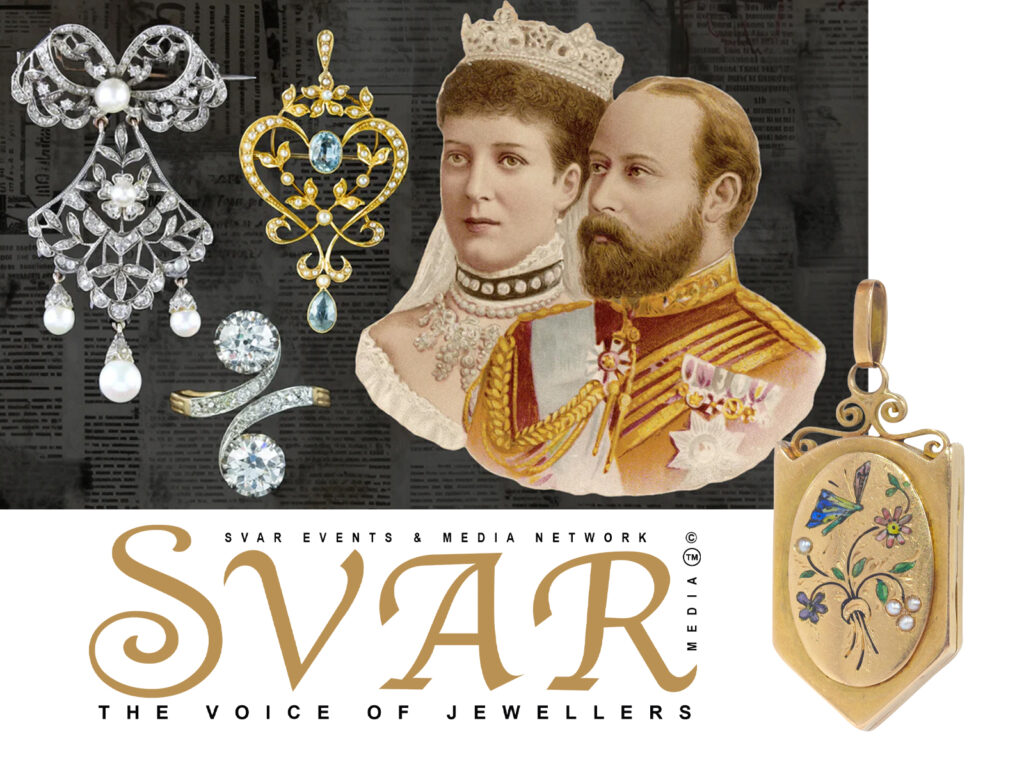
Each antique gemstone is a unique piece that expresses the artistry of the time it came from. Victorian and Edwardian jewellery was often defined by old European cuts or antique rose cuts, while Art Deco favoured step-cut emeralds and cabochons.
While modern reproductions may emulate these styles, they lack the subtle imperfections and hand-cut character of true vintage gems. These nuances, when observed, can help you conclude whether a gemstone actually belongs to the period it purports to be from.
Step 4: Inspect the Setting and Mount
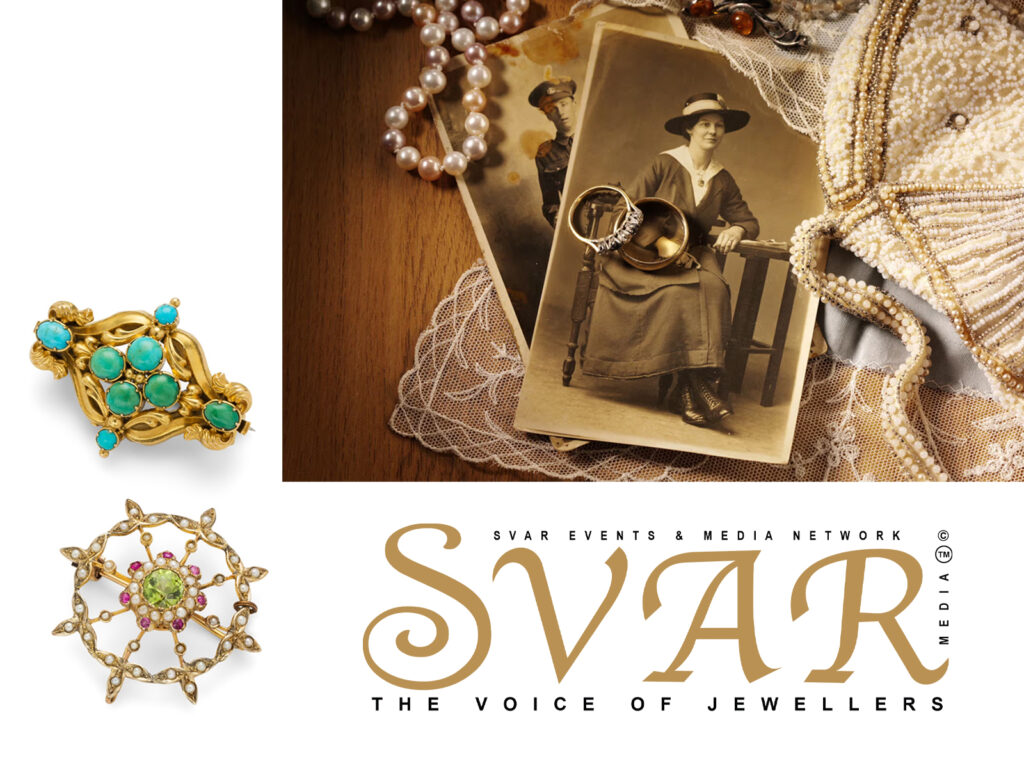
A setting will often say much about the age and authenticity of a gemstone. Older settings usually show signs of handwork: slightly uneven prongs, worn bezels, or faint tool marks, which indicate the craftsmanship of the time. Use a loupe to inspect closely and ensure the setting matches the gem’s supposed era.
If the stone looks pristine but the mount looks old, or vice versa, it may indicate that a replacement or restoration has been made. Being able to identify such details early could help determine if a professional assessment is required.
Step 5: Perform Gemological Testing & Seek Expert Opinion
Without professional equipment, some treatments and enhancements cannot be detected. Certified gemologists use spectroscopy or microscopy to detect signs of heat treatment, resin filling, or other modern enhancements.
Although test reports from recognised laboratories may be requested, ensure that testing is done by qualified professionals. An unenhanced stone not only confirms authenticity but also holds greater value for collectors.
Step 6: Assess Overall Craftsmanship and Condition
Finally, consider the piece as a whole. Look at the metalwork, engravings, and clasp mechanisms. Real vintage jewellery often has small irregularities that are indicative of being hand-finished rather than mass-produced. Natural signs of age, like subtle patina, softened edges, and fine scratches, add both credibility and charm to your piece by confirming its history and character.
Conclusion
Authenticating antique gemstones blends science with storytelling — every gem carries traces of the past, waiting to be understood. Work only with trusted experts, question every detail, and study each stone with patience. A genuine vintage piece isn’t just jewellery — it’s a lasting investment in history and artistry.