
Indian Gemstone Heritage Routes: Discover Where the World’s Rarest Gems Came From
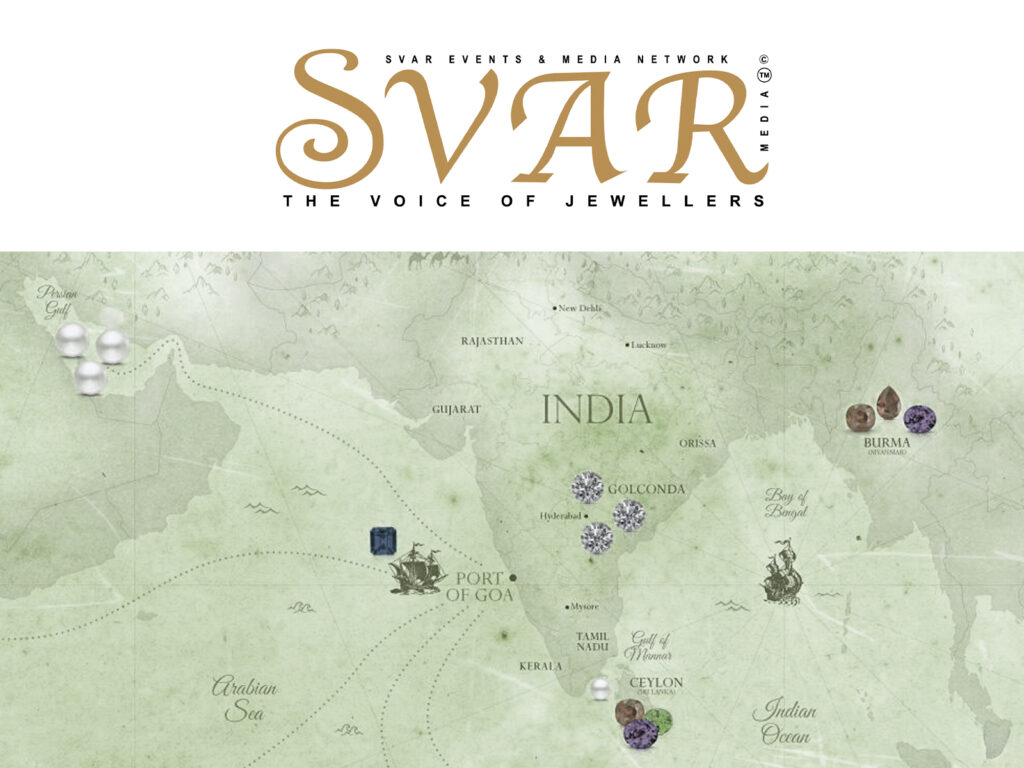
India’s love affair with gemstones is more than just a tale of beauty; it weaves through time, trade and tradition. For millennia, India was the hub of the world’s gem trade, where warriors, merchants, monarchs and mystics were drawn in search of stones that sparkled with divine force. The Indian gemstone heritage routes, from the Golconda diamonds to Kashmir sapphires and Orissan rubies, are the epicentres which narrate how some of the world’s most precious gems were discovered, mined and cherished.
Gemstones from India’s Glittering Past
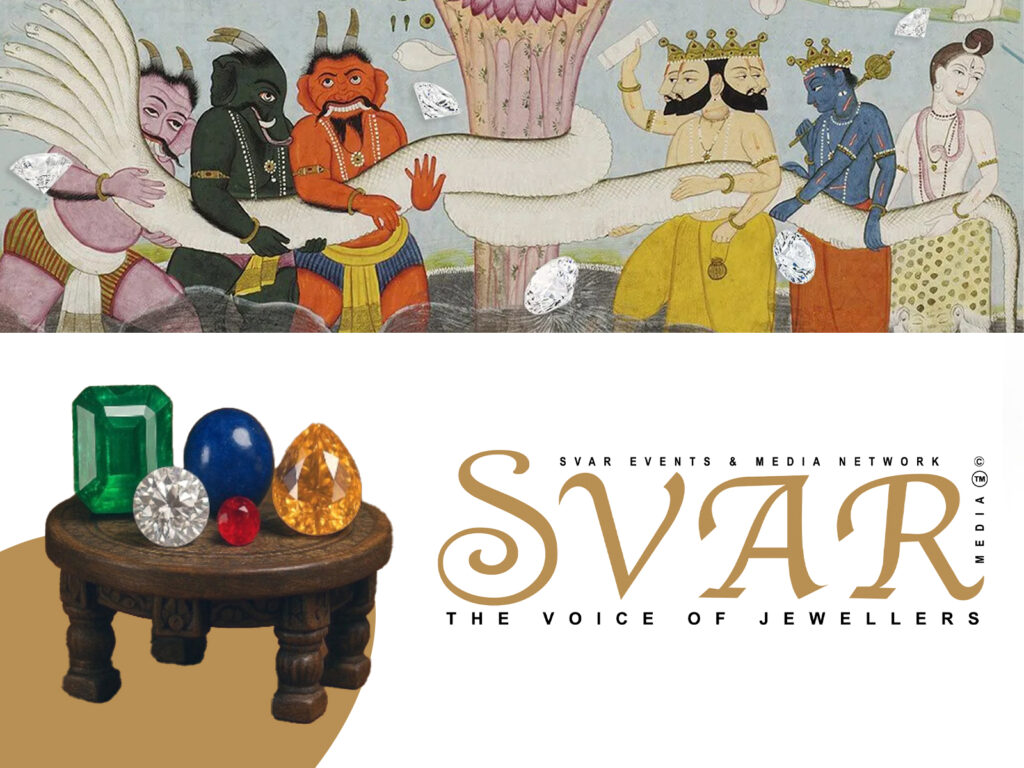
Over 5,000 years of Indian gem history. These ancient documents (e.g., the Garuda Purana and Ratnapariksha) realistically defined gemstones not only by physical characteristics but also by spiritual and astrological features.
The Indian gemstone heritage routes turned into global trade arteries whose branches led from mines deep in the Indian soil to royal courts from Persia to Europe.
The only thing that could draw merchants from Arabia, China, and eventually Europe to these routes was the unmatchable brilliance of gemstones. India was not just a trading centre; it was the world’s birthplace of gemstones.
Golconda: Land of the Legendary Diamonds
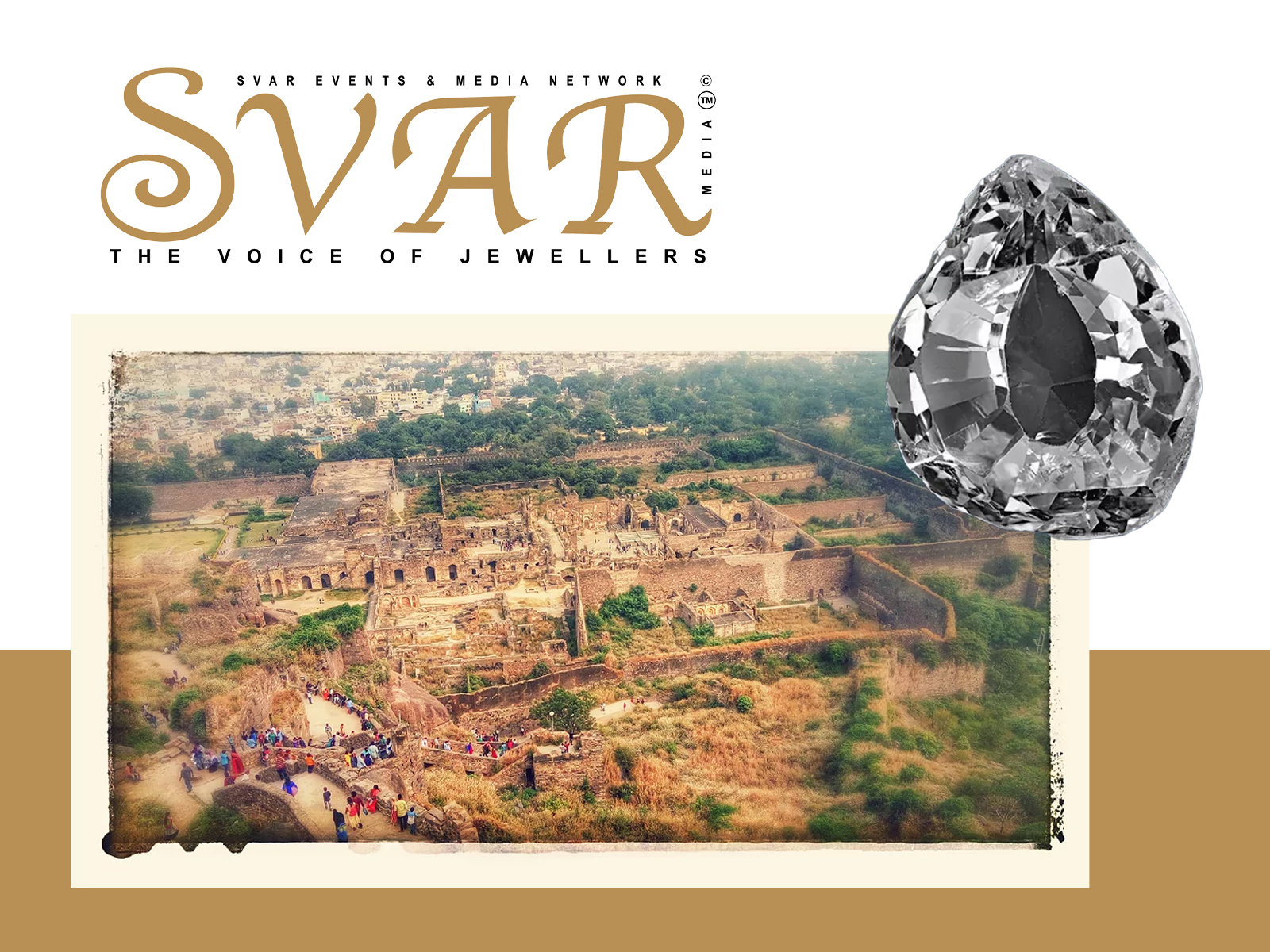
No conversation on the Indian gemstone heritage trails is done without Golconda. This area, close to what is now Hyderabad, yielded legendary stones, including the Koh-i-Noor, the Hope Diamond and the Regent Diamond.
The phrase “Golconda diamond” is associated with purity and perfection — gems so clear that jewellers still refer to “Golconda quality” as a way of describing stunning brightness. These diamonds dominated international luxury markets and made India’s gem trade unique for centuries.
Kashmir: The Nest of the World’s Best Sapphires
Situated in the Himalayas, Kashmir sapphire mines were found at the end of the 19th century. Rarer still are the velvety, “cornflower blue” gems for which Kashmir sapphires are renowned, some of the most desired stones on earth, engraved with hues to mimic celestial calm and royal prestige.
The supply was short-lived — by the 1930s, the mines had been depleted — so Kashmir sapphires are among the world’s rarest and most valuable gemstones.
The legacy of the riches of its gemstones being carted out by traders and settlers continues even today, with contemporary-day jewel-merchants tracing their connections back to that time, when the highways from India brought sapphires passing through Lahore en route to London, Paris or New York.
Orissa and Burma: The Ruby Connection
Trade in rubies from India to Burma (now Myanmar) was common through Orissa, as transportation of the gems was on naturally well-established trade routes. Although Burma was the source for the famous “pigeon’s blood” rubies, India was the first centre where they were polished and cut.
In Orissan workshops, the stone were given their due brilliance and used in temple jewellery, infusing art with spiritual connotations.
This exchange meant India became the epicentre of ruby making — a legacy that remains in temple treasures and royal heirlooms all over South India.
Jaipur: The New Gem Capital of India
The narrative picks up in Jaipur, Rajasthan — the “Pink City,” which today is a world centre for gemstone cutting, polishing and export. The Maharaja Sawai Jai Singh II, the ruler of Jaipur, established gemstone trade guilds here in the 18th century, laying the groundwork that dominates India’s gem economy even now.
Emeralds from Colombia, tourmalines and spinels have been given a new life at the hands of Jaipur’s artisans, who have made the city the centre of Indian gemstone heritage routes being reborn — where tradition merges with technology, and legacy steers luxury.
Preserving India’s Gemstone Heritage
As collectors around the world look for authenticity and provenance, India’s gemstone trail is making a comeback. Responsible sourcing, documentation and heritage-inspired designs are reviving ancient mines and artisanal techniques.
Each one of these gems is a tale — not only from the belly of the Earth, but also from India’s story of enduring artistry, faith and trade. From Golconda’s glorious past to Jaipur’s contemporary perfection, the Indian gemstone heritage trails prove to be an eternal seal of beauty, history, and culture.