
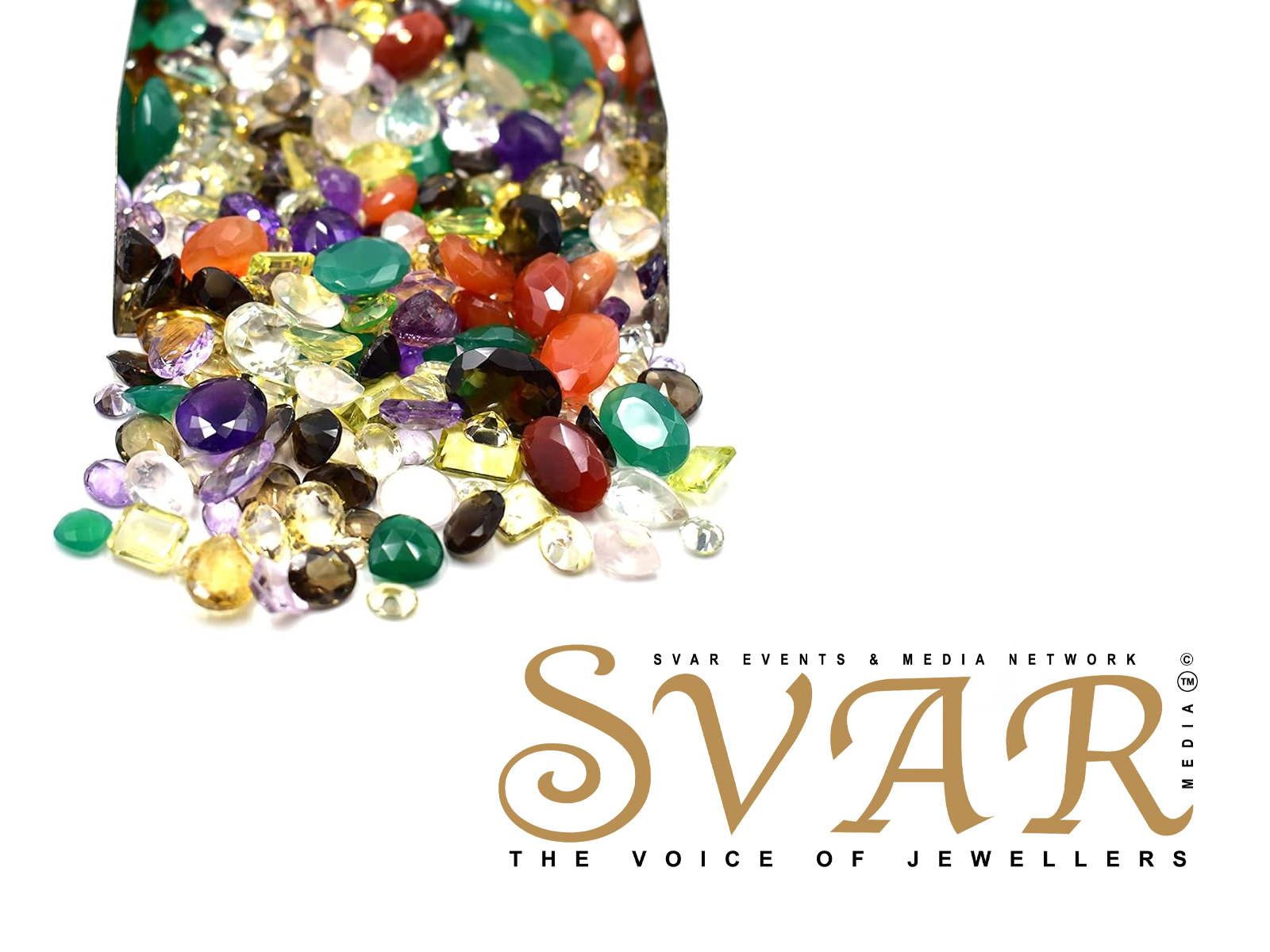
Mixing Gemstones in One Piece: Rules and Inspirations
Jewellery today is no longer limited to a single stone or plain metal setting. Modern designs embrace mixing gemstones in one piece, celebrating creativity, originality, and colour integration in harmonious balance. Gemstones set together may produce a dramatic visual impact, tell something, or potentially enhance one piece’s energy through colour symbolism. Integration of many gems is about getting it right between aesthetic value, colour principle, and hardness. Once it is all right, it makes ordinary jewellery into art.
Why Mix Gemstones?
Traditionally, jewellery makers utilised single gemstones as focal points with common emphasis upon rarity or fire. Modern jewellery fashion favours multi-gemstone jewellery for several reasons:
Trend Appeal: Fashion designers and celebrities often wear layered, brightly coloured gemstone rings, bracelets, and necklaces, making the look aspirational.
Visual Impact: Different colours, shapes, and sizes create a colourful, eye-catching impression.
Storytelling: Each gemstone may embody personal milestones, birthstones, or symbolic meaning.
Versatility: mixing multi gemstones in one piece is suitable for a broader wardrobe collection and occasions.
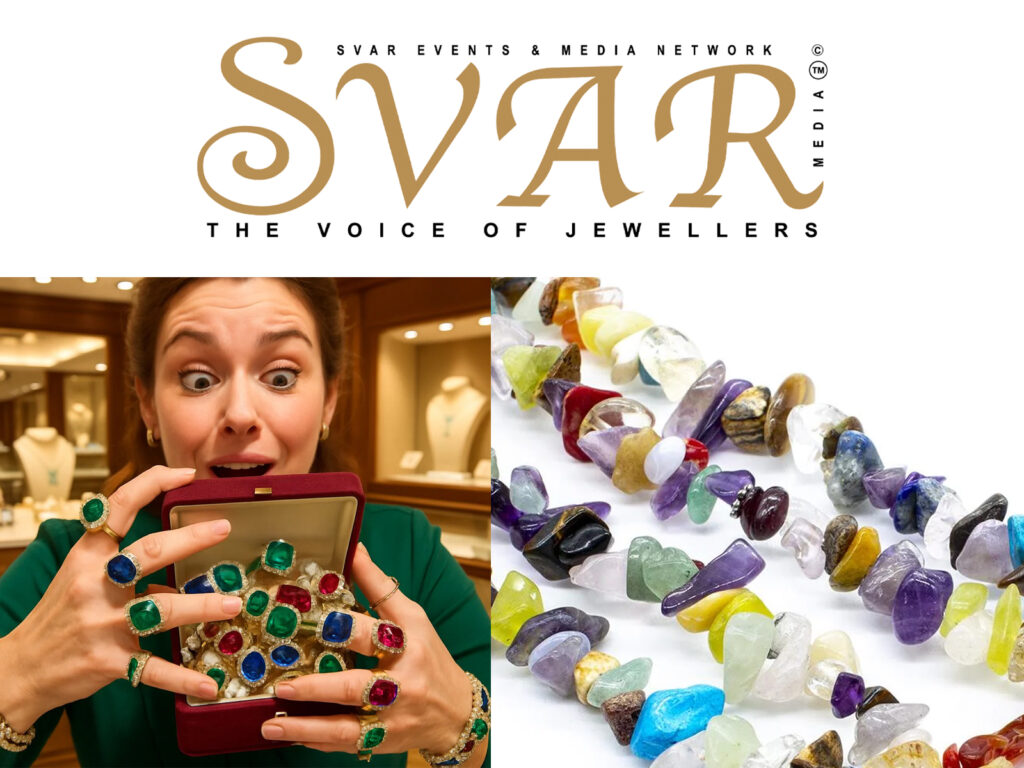
Rules for Mixing Gemstones in One Piece
While creativity has few limits, certain guidelines ensure balance and refinement:
Theme and Story: Decide the concept first—birthstones, seasonal palettes, or celestial inspiration. A clear story ties the gemstones together and strengthens emotional appeal.s.
Colour Harmony: Use the colour wheel: opposite colours create bold contrast, while neighbouring ones offer gentle cohesion. Example: Blue sapphire with yellow sapphire for a vivid contrast, or emerald with peridot for a soft analogous blend.
Balance of Size and Shape: Avoid overwhelming the piece with stones of highly varied sizes. Larger central stones should be complemented with smaller accents to maintain balance.
Consider Hardness: Mohs hardness is key. Hard gems like diamonds or sapphires can be paired with softer ones if the settings protect them. Example: A ruby (9 Mohs) with moonstone (6 Mohs) works if secured in a bezel or halo setting.
Metal Harmony: Choose metals that enhance the colour palette. Rose gold pairs beautifully with warm tones like ruby, garnet, and pink sapphire, while white gold or platinum works well with cool hues such as blue sapphire and aquamarine.
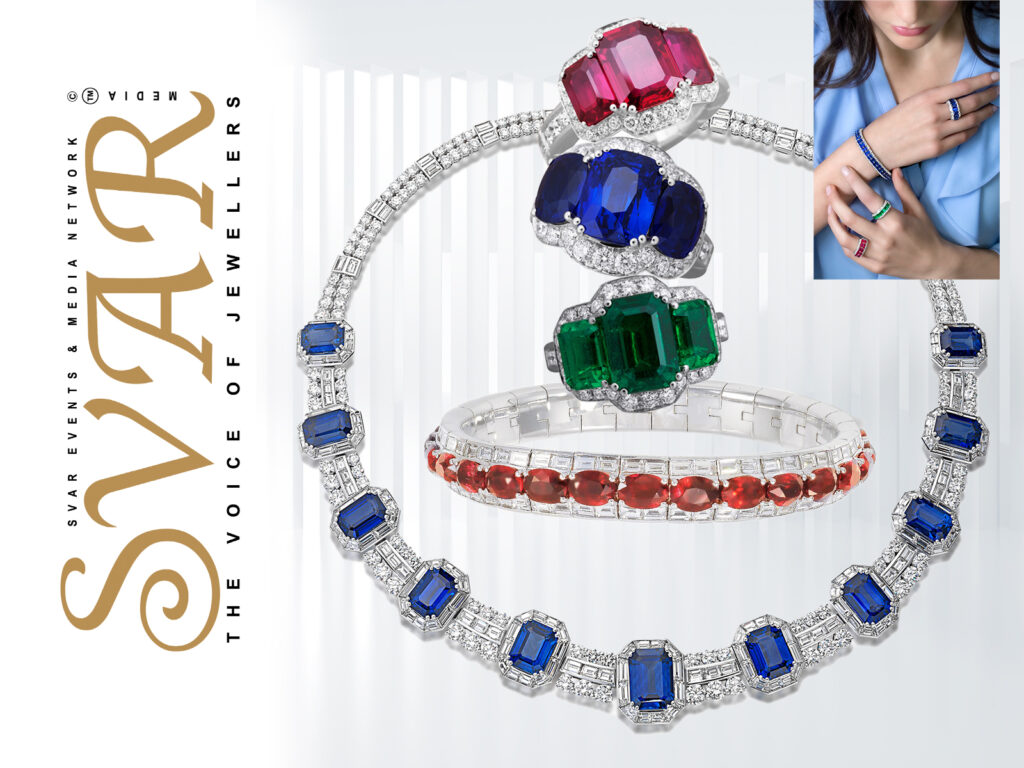
Inspirations for Multi-Gemstone Designs
- Nature-Inspired: Blend colours to echo landscapes, oceans, or gardens. Example: Emerald green, blue sapphire, and yellow citrine to evoke a tropical forest.
- Celestial Influence: Capture the stars, planets, and moons through colour contrasts. Example: White diamond, blue sapphire, and black spinel in an asymmetrical constellation ring.
- Vintage Revival: Channel royal elegance by mixing classic gemstone pairings—rubies, emeralds, and sapphires. Example: Victorian-style rings or brooches combining rubies, pearls, and sapphires.
- Modern Minimalist: Use soft pastel stones like morganite, kunzite, and rose quartz for a subtle contemporary aesthetic. Perfect for pendants, earrings, or stackable rings.
Tips for Wearing Multi-Gemstone Jewellery
Pair vibrant multi-gem pieces with neutral clothing to let the colours shine.
Avoid wearing too many statement items at once—let one piece take centre stage.
Trust your instincts: gemstone mixing is as much about self-expression as it is about following rules.